
How to Prepare Children for a Rapidly Changing Future
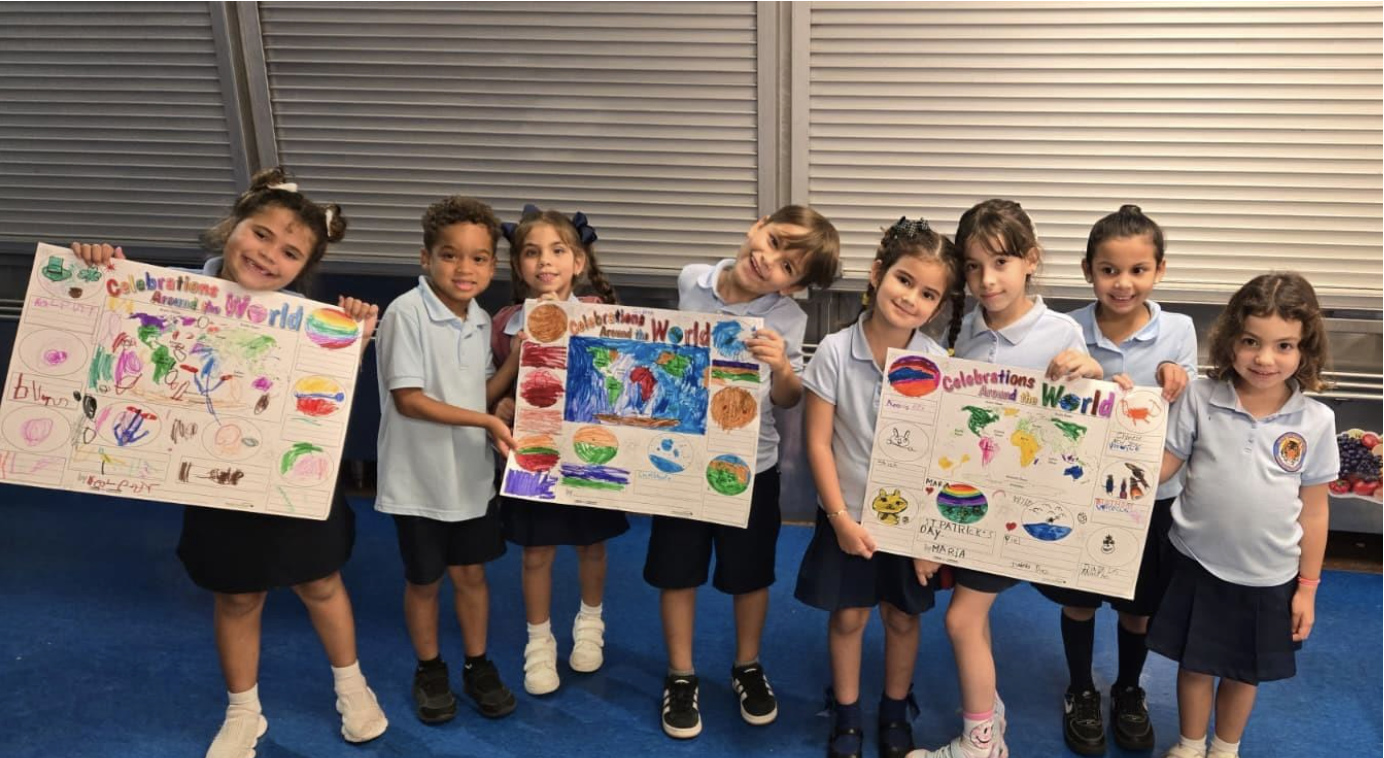
We keep asking what the future will look like, and it is impossible not to think about AI. It will be part of every scenario. What is less clear is where we fit in, especially when it feels like many of today’s roles could change or disappear. So how can we keep asking children what they want to be when they grow up, if we do not even know what that future will offer?
What if the job they imagine will not exist? Or the one they will have has not been created yet?
Twenty years ago, there were no content creators, no AI prompt engineers, no rideshare drivers. Today, technology can write, design, and solve problems in seconds. Some roles have changed. Others are gone.
The world is moving faster than what we teach in schools. If we want children to be ready, education must move too. We may not be able to predict what is coming, but we can prepare them to face it.
What about saying: So maybe the real question is not what will you be when you grow up, but will you be ready when everything around you change?
What the Future Is Signaling
Check out this video about what jobs of the future look like from the Centre for the New Economy and Society.
If we look at what is happening today, as shown in The Future of Jobs Report 2025, one thing stands out; jobs are shifting quickly and technology is taking the lead. Technology skills like AI, data, and cybersecurity are becoming more important, but knowing how to deal with AI is not enough on its own to be prepared for the future. The workforce will need to learn new skills and strengthen others related to technology, as well as those connected to human behavior.
The World Economic Forum, an international organization that brings together leaders to understand global economic and social trends, highlights something important: analytical thinking, resilience, adaptability, leadership, and lifelong learning are among the most valued competencies across industries. Employers are prioritizing human capabilities over static knowledge. Technology may change roles, but human skills are what matters most now.
What matters even more are the abilities to think clearly, adapt, stay strong during challenges, work with others, and keep learning over time. Those remain useful, no matter how much the world changes.
What Lasts Over Time
As adults, we continue learning to move into new roles or adapt to new industries, while strengthening what we already know.
For children, this means something deeper. It is not only about what they learn, but how they learn.
In education, this means we should start by modifying and improving our educational curriculums and lesson plans to include activities that help children think, question, connect ideas, and respond when things do not go as expected. These are the skills that allow them to move across different paths, keep learning, and handle uncertainty with confidence.
What This Looks Like in Global Education
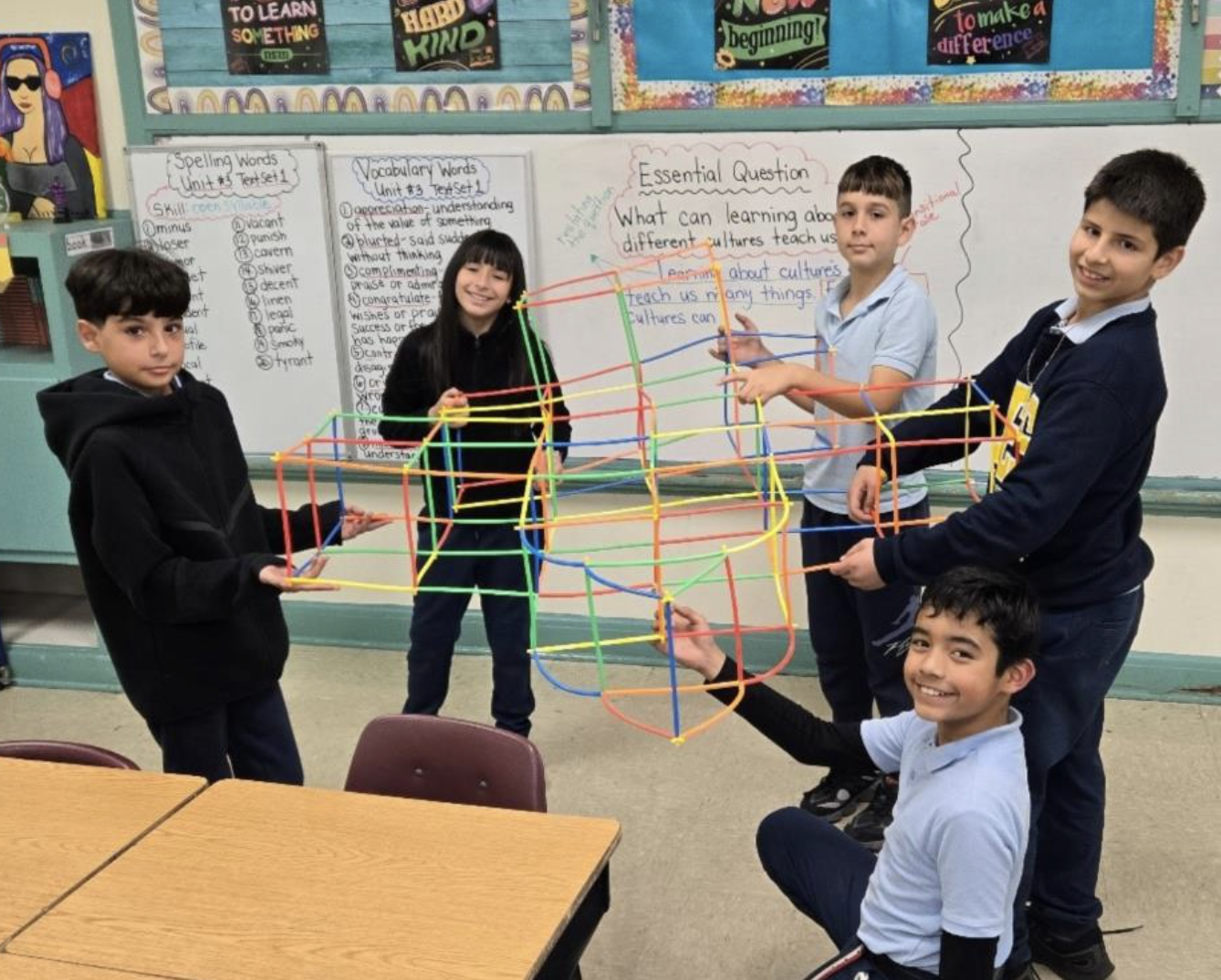
At the same time, we raise awareness about AI in an age-appropriate way, while intentionally prioritizing human skills, so students learn to think, question, and make responsible decisions. In Global Education, this is reflected in how we design learning, not just what we teach. For example, during our Environmental Sustainability month, students built a three-dimensional ocean to create a sustainable coral home for “Nemo.” It may look like a 3D craft, but it is not.
First, they learn how ecosystems work and why coral matters for marine life. Then they explore real environmental challenges and discuss possible solutions. Finally, they design their own coral structures and explain their decisions.
They are not just creating something. They are thinking, adjusting, solving problems, and explaining their ideas.
The goal is not what students create, but how they think while creating it.
Why This Matters Now
Eighty-five percent of employers plan to prioritize upskilling between 2025 and 2030, showing that continuous learning is becoming essential as the world changes. If children are not taught to adapt and encouraged to be lifelong learners in school and at home, they are unlikely to develop those habits later in life. If schools focus only on results, children may do well in tests but struggle when they face situations that require them to adapt or think differently.
Preparing children for the future means creating classrooms where they learn to think, adapt, work with others, and improve over time. The OECD Learning Compass 2030, a framework that outlines the key skills, knowledge, and values students need for the future, highlights abilities like creativity, self-awareness, and critical thinking, which develop when children take time to think about and learn from what they do. At the same time, schools need to give more space to children’s well-being, not only how they feel but how they grow, connect, and build confidence.
Because in the end, the goal is not to prepare children for a fixed future.
It is to prepare them to walk into the unknown and know what to do next.
Together, we can learn more about this and navigate with confidence!
Watch These Videos:
Read these Reports:
Take Action:
Contact us
At YWCA South Florida, we know this work is stronger with partners. We’re seeking schools, community organizations, funders, and mission-driven businesses to help us:
Bring Global Education to more classrooms.
Equip children with skills to lead and problem-solve.
If you share this vision, get intouch with us today to explore partnership opportunities: aclavijo@ywcasouthflorida.org
By Andrea Clavijo